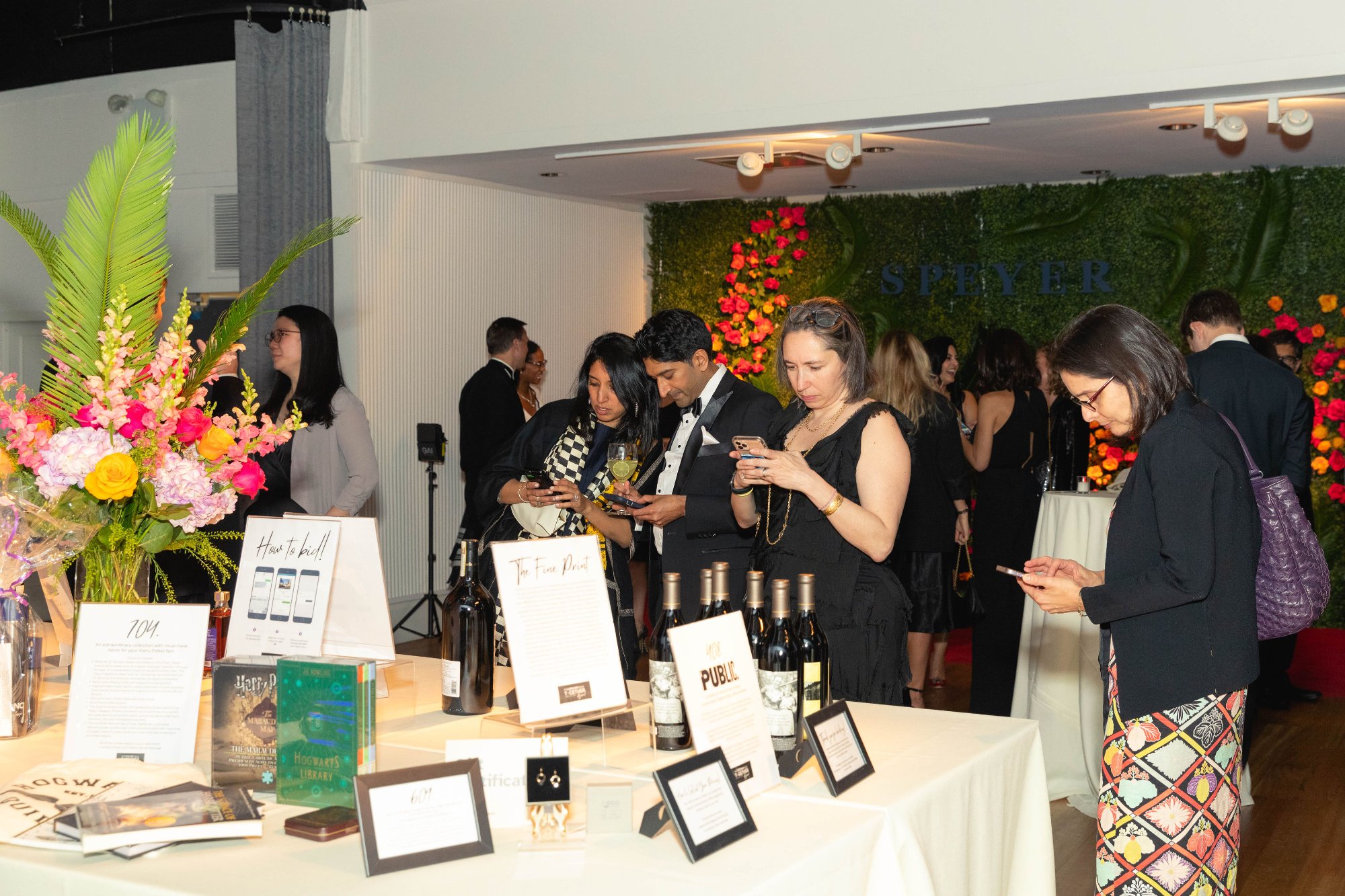
The crowd arrives at 7. The story started at 2. The food was sourced and prepared. The musicians were soundchecking. The details that took weeks to plan and twenty minutes to consume.
Every gala has a food story. The catering at a fundraiser of this scale, multiple stations, each with its own menu, its own visual identity, its own contribution to the evening's atmosphere, represents an enormous investment of planning and craft. That story deserves to be documented with the same care as the speeches and the crowd.
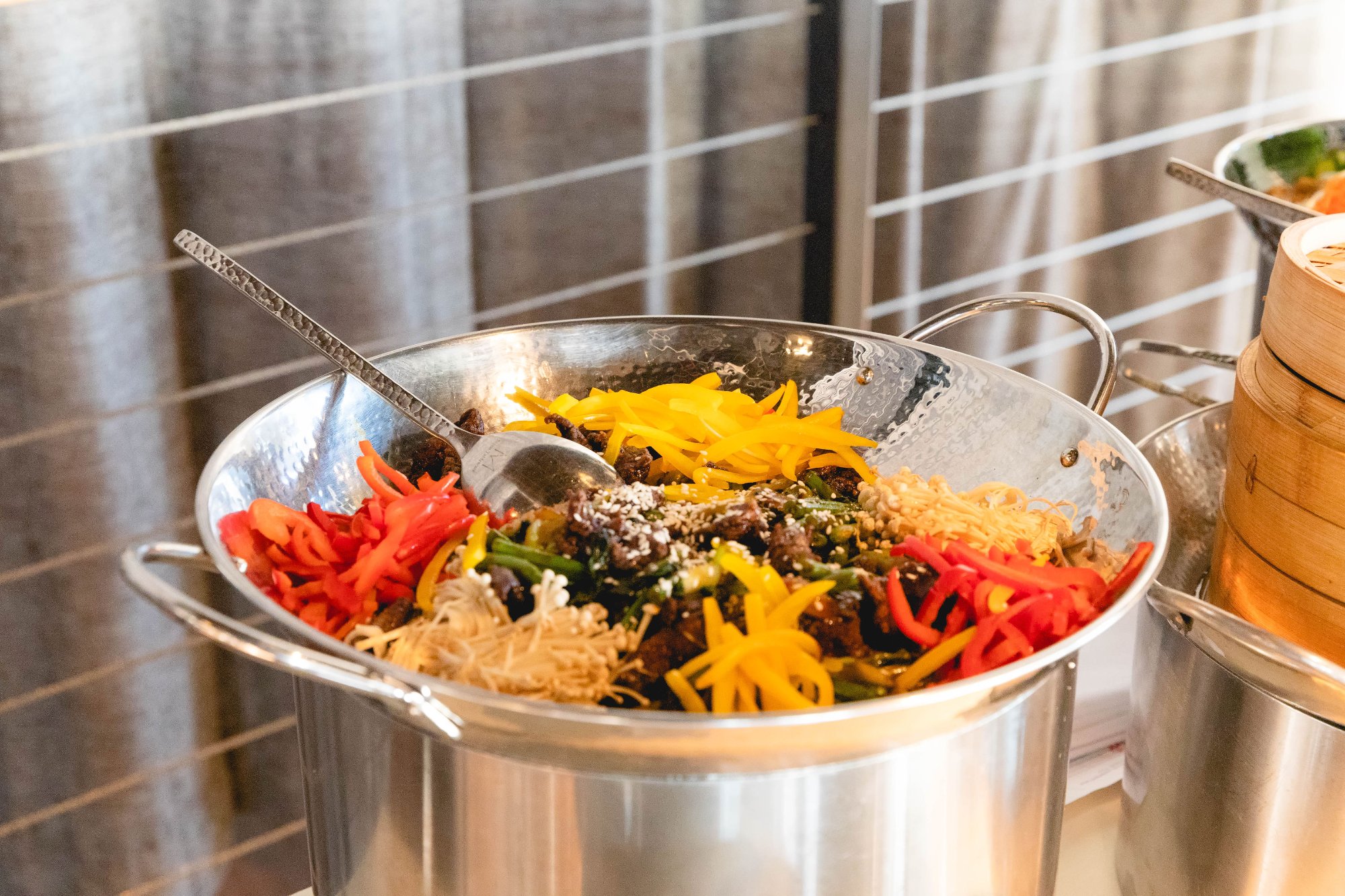
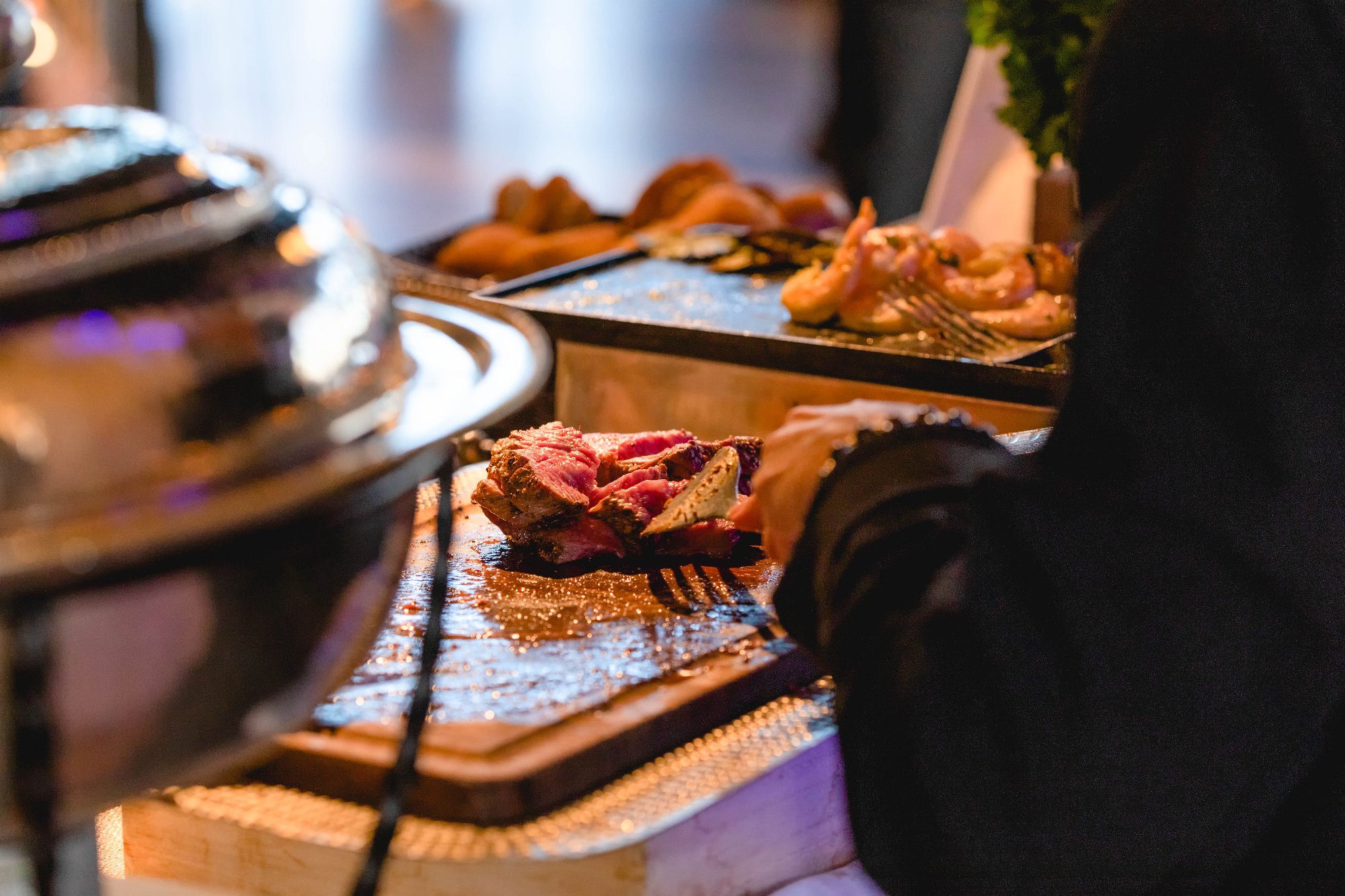
The slider trays lined up in silver. The dim sum baskets stacked and steaming. The wok dish with its vivid colors, red peppers, yellow peppers, green beans, laid out like a still life. The carving station with its warm light catching the grain of the cutting board. Each of these is a frame worth making, and each of them tells a prospective attendee something specific about the caliber of the evening.
"Detail photographs don't just document what was served. They document what was intended, the level of care the organizers brought to every aspect of the event."
The same is true of the music. A jazz quartet performing against a floor-to-ceiling window with the city's lights visible behind them: that image does work that no wide crowd shot can do. It locates the evening. It gives it a specific feeling, a temperature, a sound you can almost hear looking at the photograph.
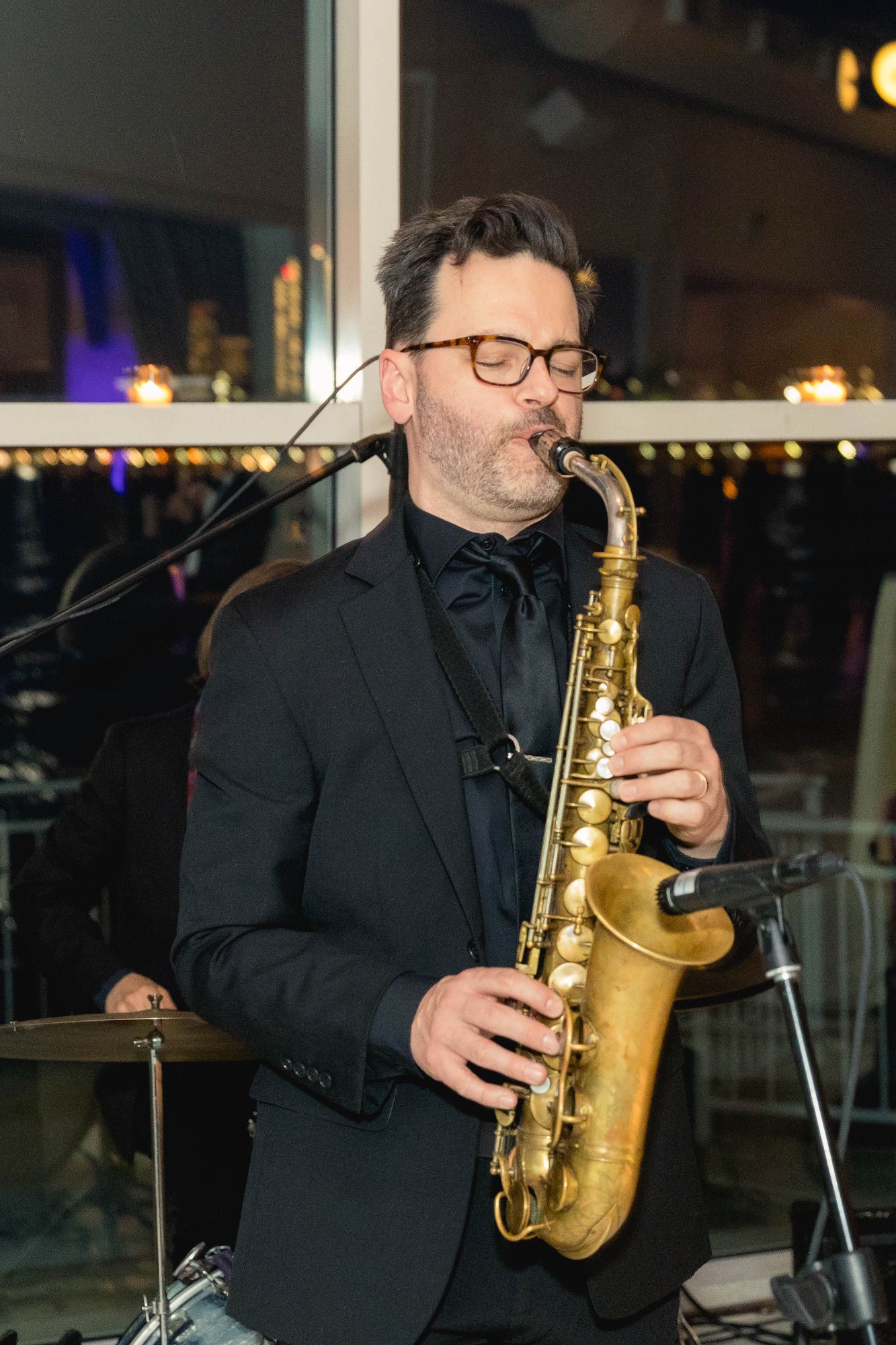
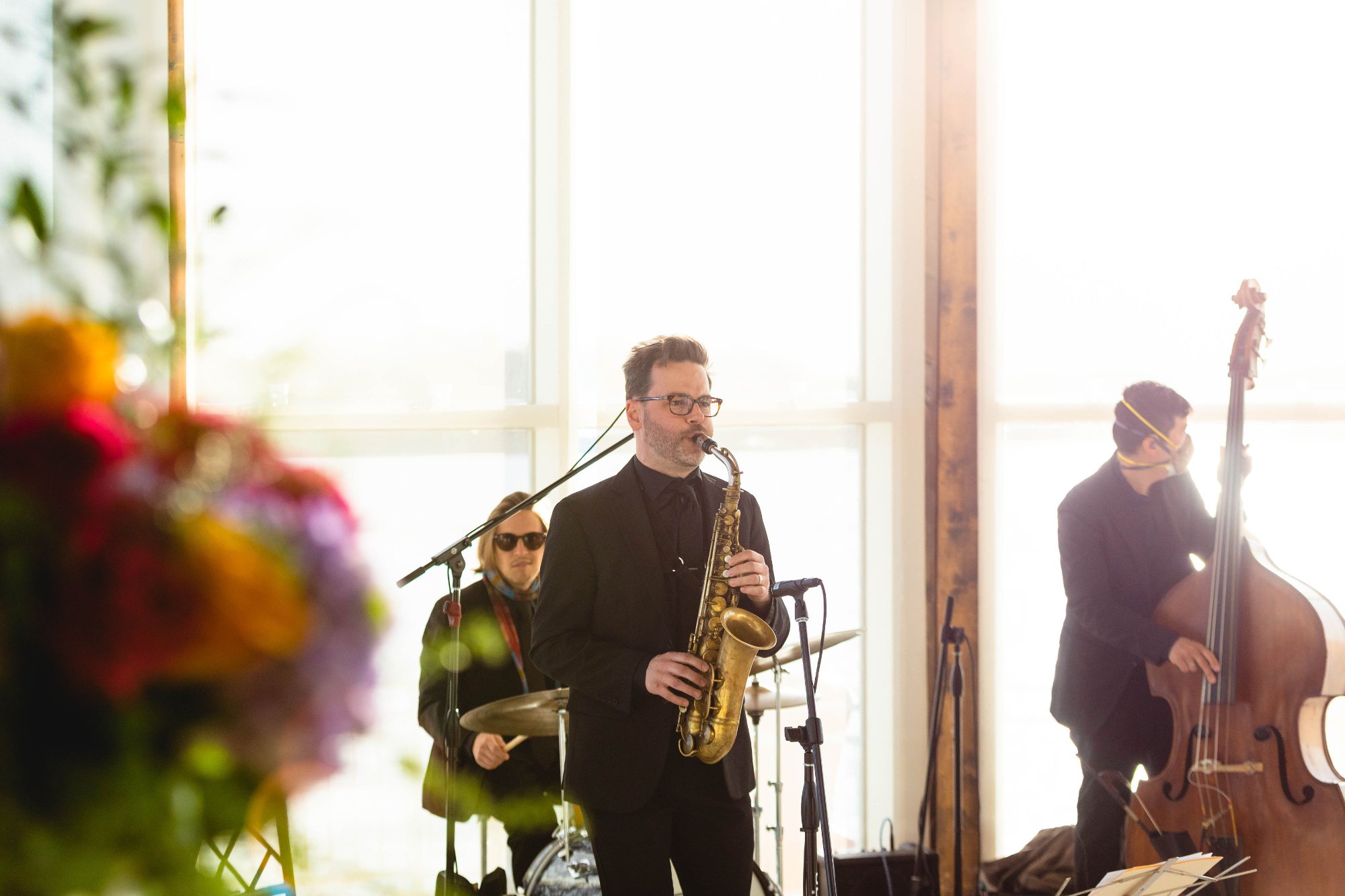
Eyes closed, fully present. The musician as subject, not backdrop.
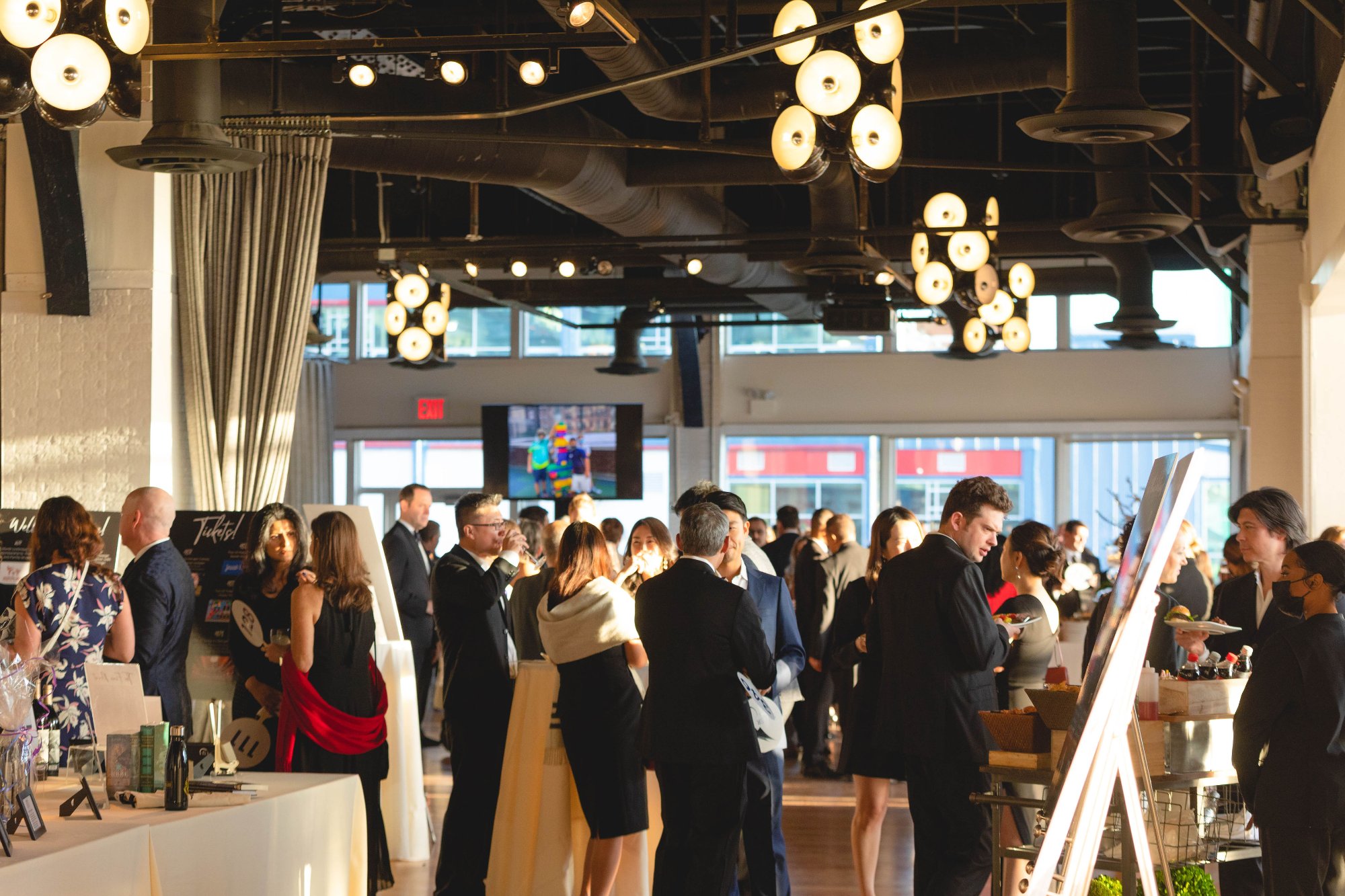
The snack station. Texture, color, intention.
Sliders on silver, the kind of detail that makes guests feel looked after.
The dim sum station, a full visual story in a single frame.
The wok fry. Red, yellow, green, the most colorful frame of the evening.
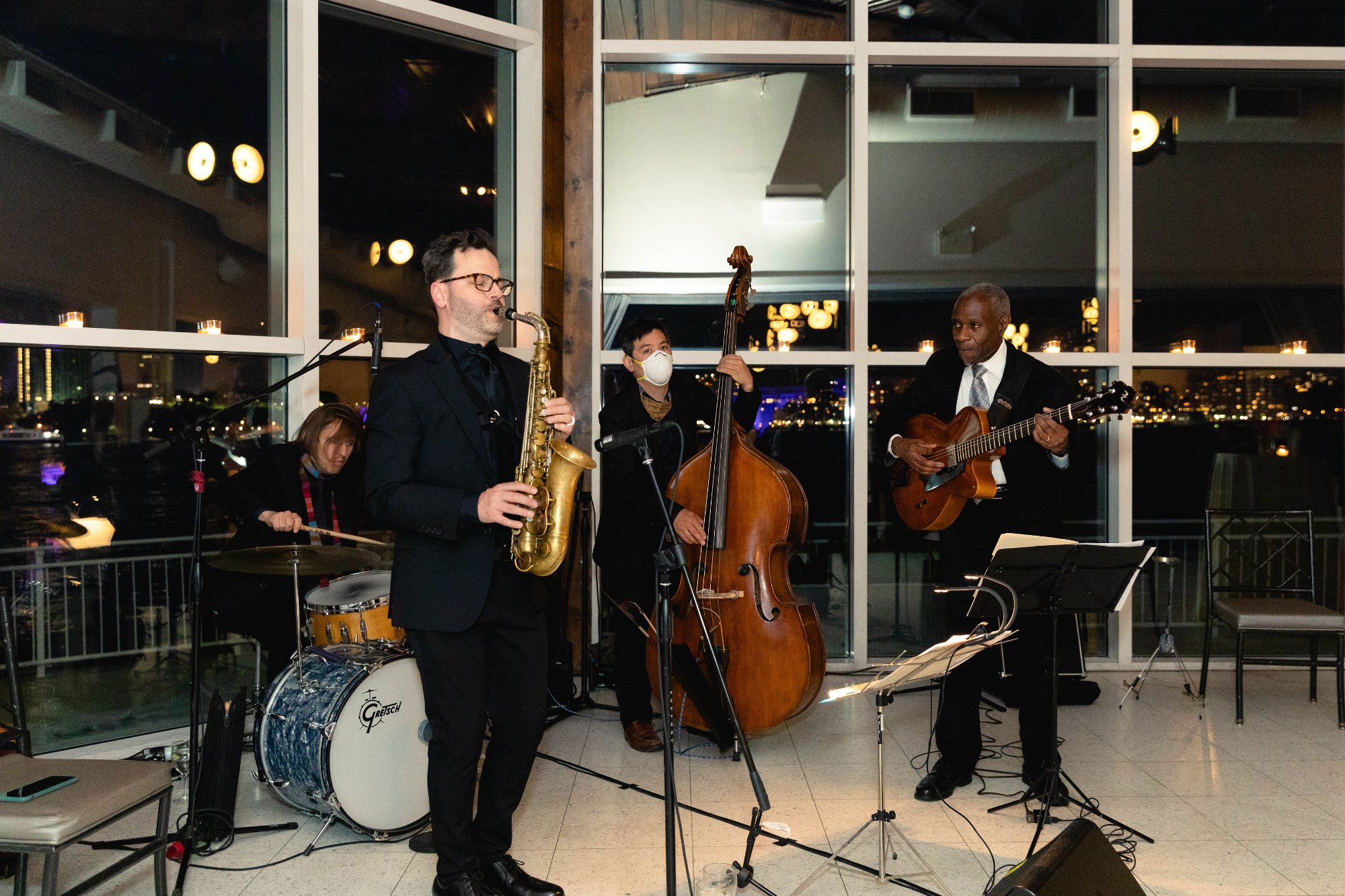
I always photograph the musicians early, during sound check if possible, or in the first few minutes of their set when they're still warming into the room. The best music photographs are made when the performers are most themselves: relaxed, listening to each other, not yet performing for the crowd.
The saxophonist with his eyes closed, that's the frame. Not the wide shot of the band with guests in the foreground. The close image, the one where you can see the concentration on his face, the way he's listening to himself as much as playing. That image says something about the quality of the evening that a hundred crowd shots cannot.
The carving station. Warm light, good craft, worth documenting.
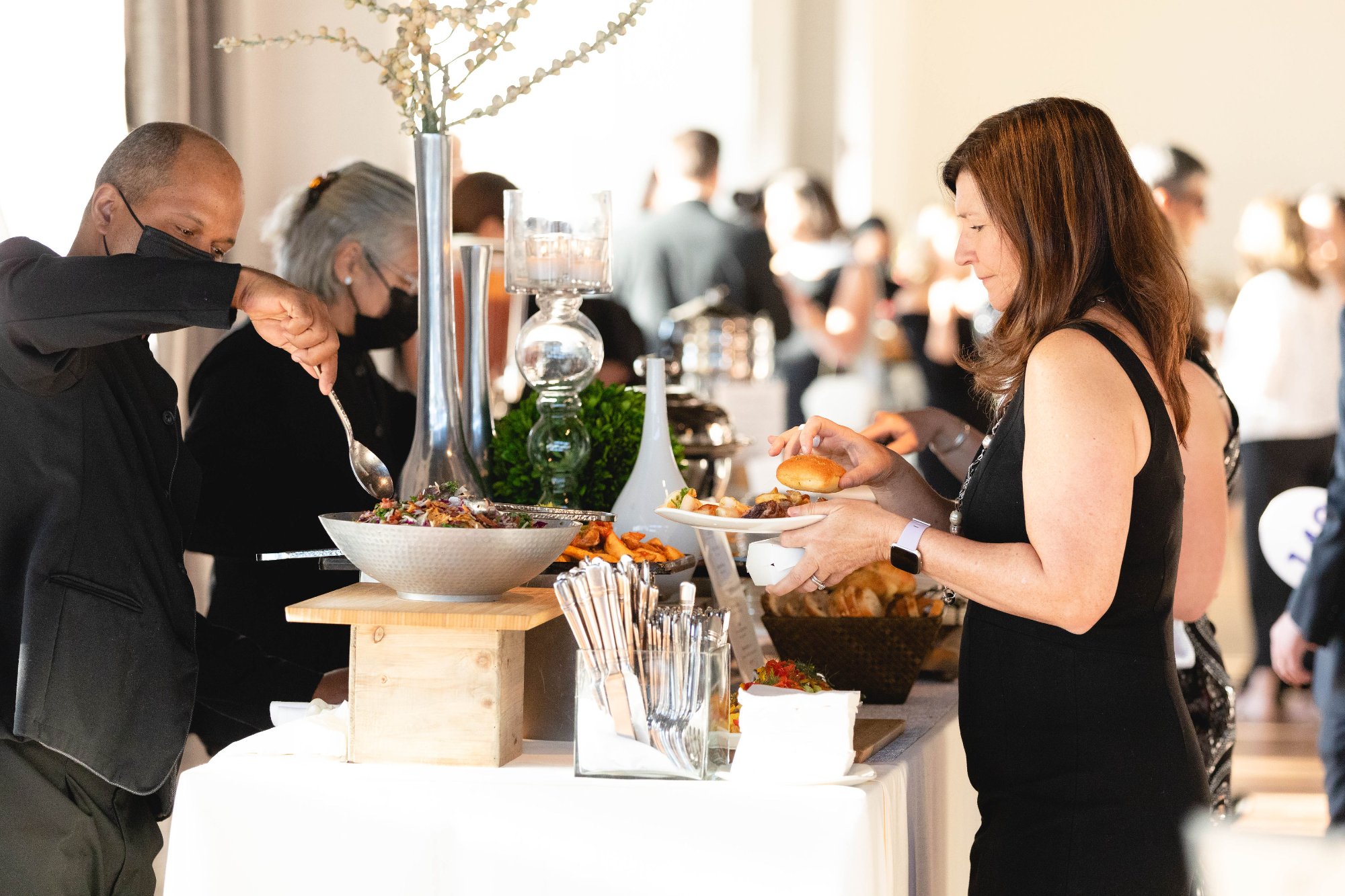
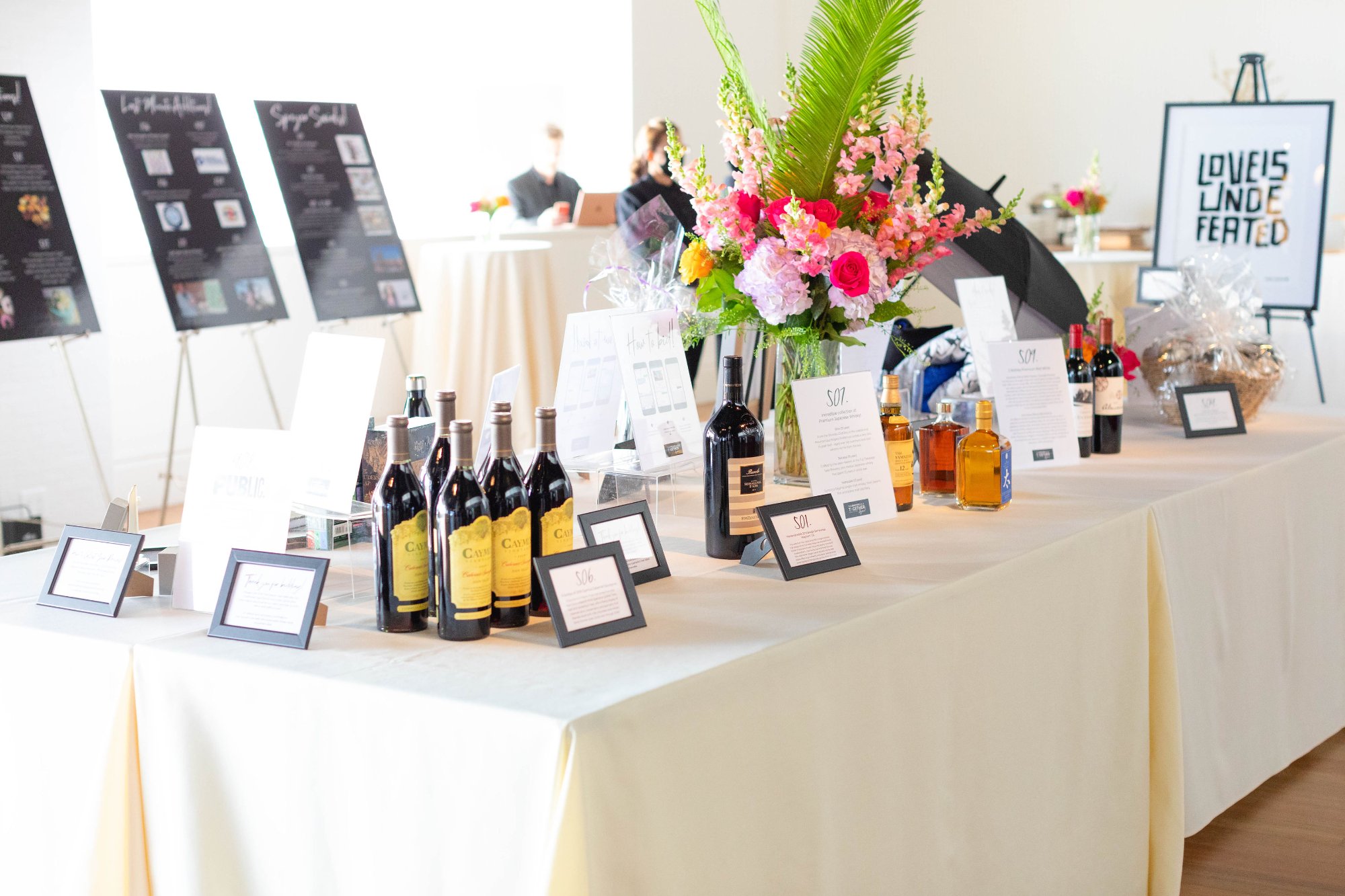
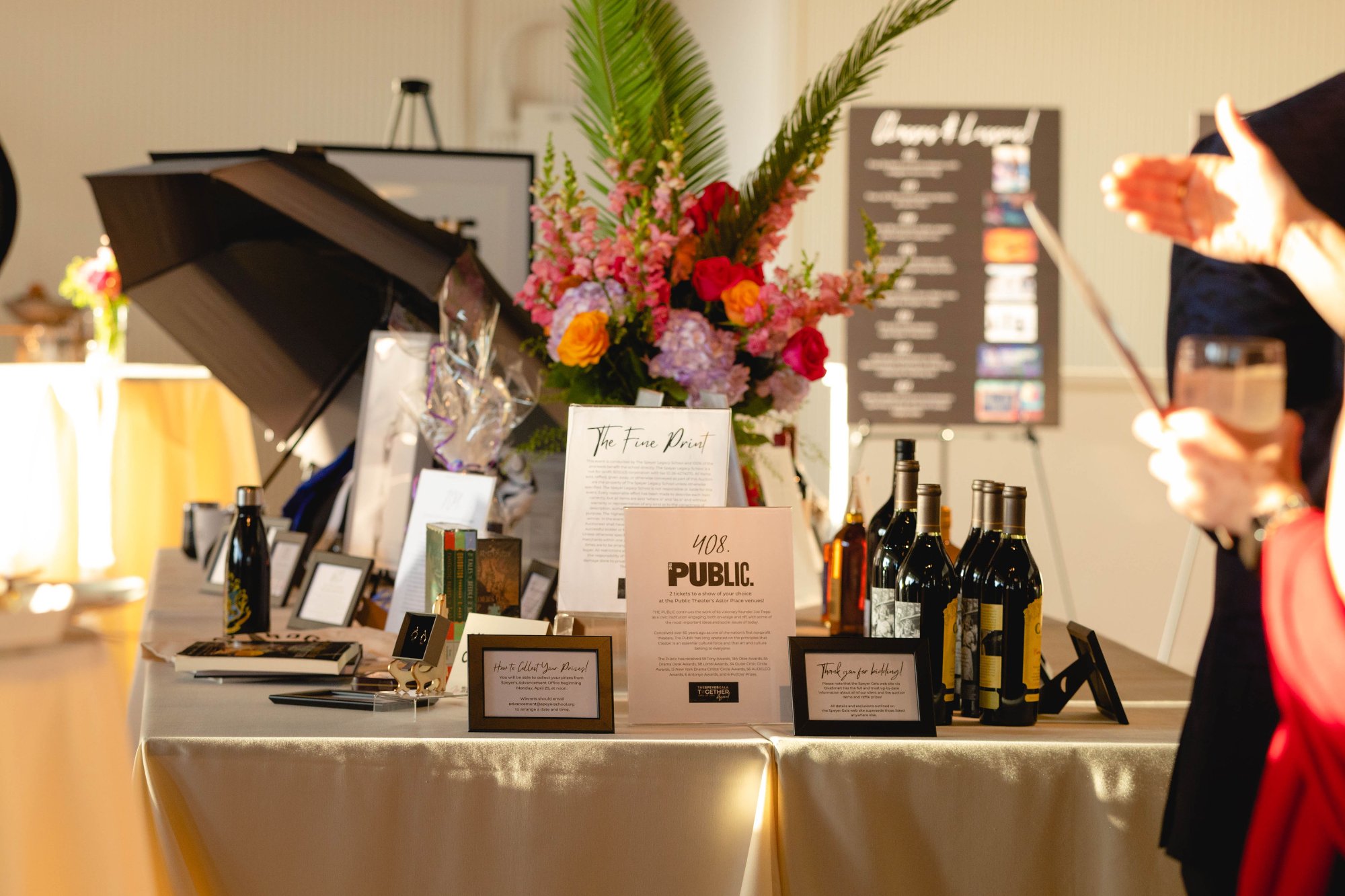
The menu card. A detail that connects the food to the intention behind it.
A complete gala gallery tells the full story of an evening, not just the people, but the place, the food, the music, the details that someone spent months arranging. When a client opens that gallery, they should be able to reconstruct the entire experience from the images alone.
That's what complete event coverage means. Not just being present, being thorough. Knowing that the slider tray and the saxophone player and the empty room before the doors opened are all part of the same story, and that the story isn't complete without all of them.
Gala & Fundraiser Photography →
Photography: Raoul Brown