Three hundred people, one room, four hours. That's the assignment.
When the doors open and the crowd fills in, the quiet room you spent twenty minutes learning disappears entirely. The geometry you memorized is now full of people. The light you scouted is competing with the glow of three hundred phones. The space you moved through alone is suddenly a social landscape with its own currents and rhythms.
This is where preparation becomes instinct. Because there's no time to think about where to stand. I already know. I've walked the room. I understand which corner gives the long view, which angle catches the natural light still coming through the windows before the evening turns dark, where the energy tends to gather during cocktail hour.
"Photographing a large gala solo isn't about being everywhere at once. It's about being in the right place before the moment arrives."
The cocktail hour is the most unpredictable part of any gala. People are moving, mixing, finding each other. The room has two or three distinct zones, the bar, the auction tables, the open floor, and the energy shifts between them constantly. You learn to read the current. Where is it building? Where has it already peaked?
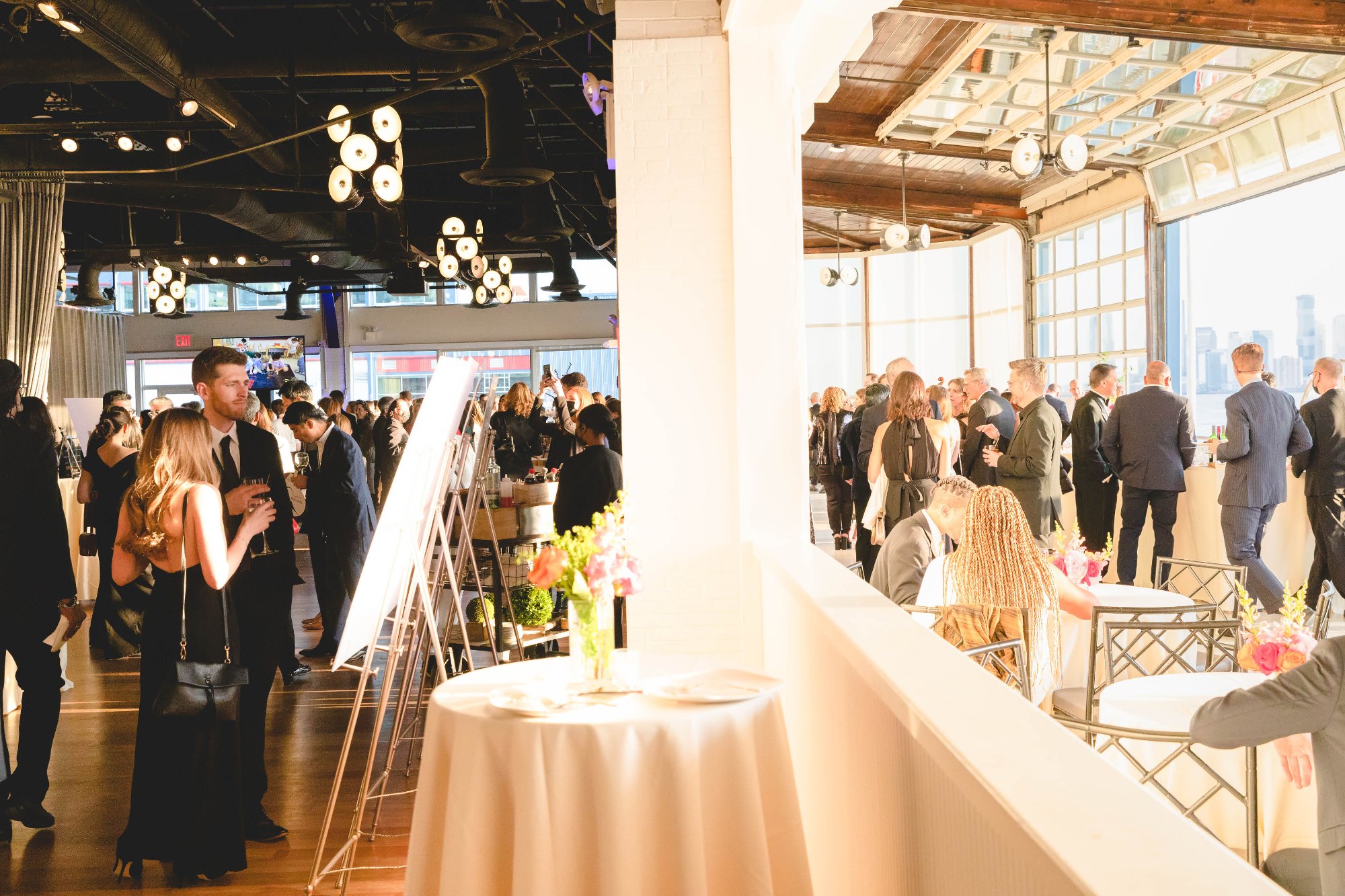
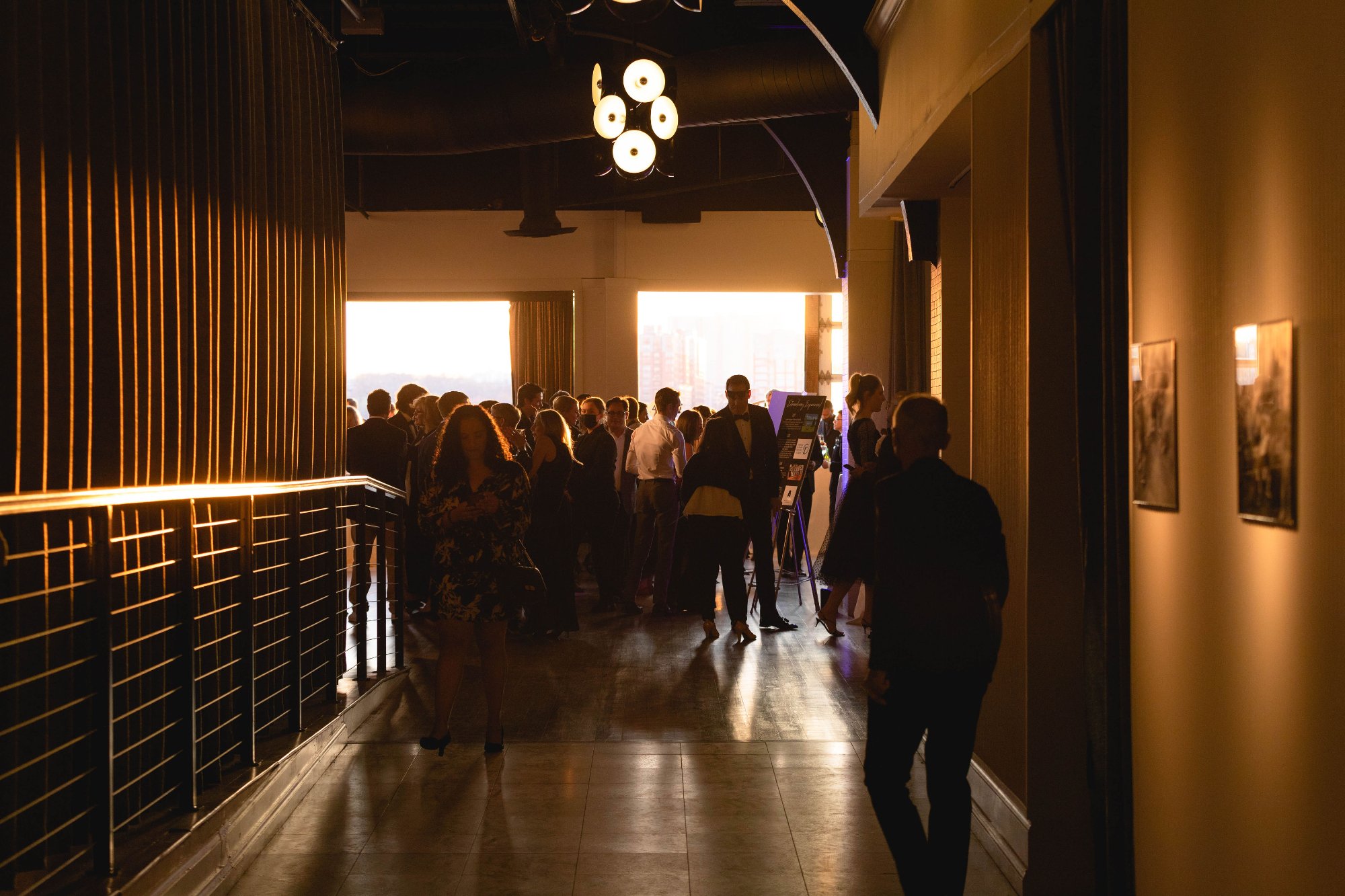
The golden corridor shot, guests silhouetted against the late afternoon light flooding through the windows at the far end of the hall, is not something I planned. It's something I recognized when I saw it forming and moved toward it quickly and quietly before it closed.
The room at full energy, pendant lights, natural light, three hundred people in motion.
Working a large gala alone requires a specific kind of calm. I can't rush. Rushing makes me visible, and visible means guests start to perform rather than simply be. The camera needs to feel like part of the room, not an intrusion into it. So I move deliberately. I find my angles and hold them. I wait.
The wide room shots, the ones that show the full scale of the evening, the architecture of the space, the density of the crowd, are among the most important images in any gala gallery. Clients look at those images and see what they built. They see the evidence that people came, that the room filled, that the evening was real.
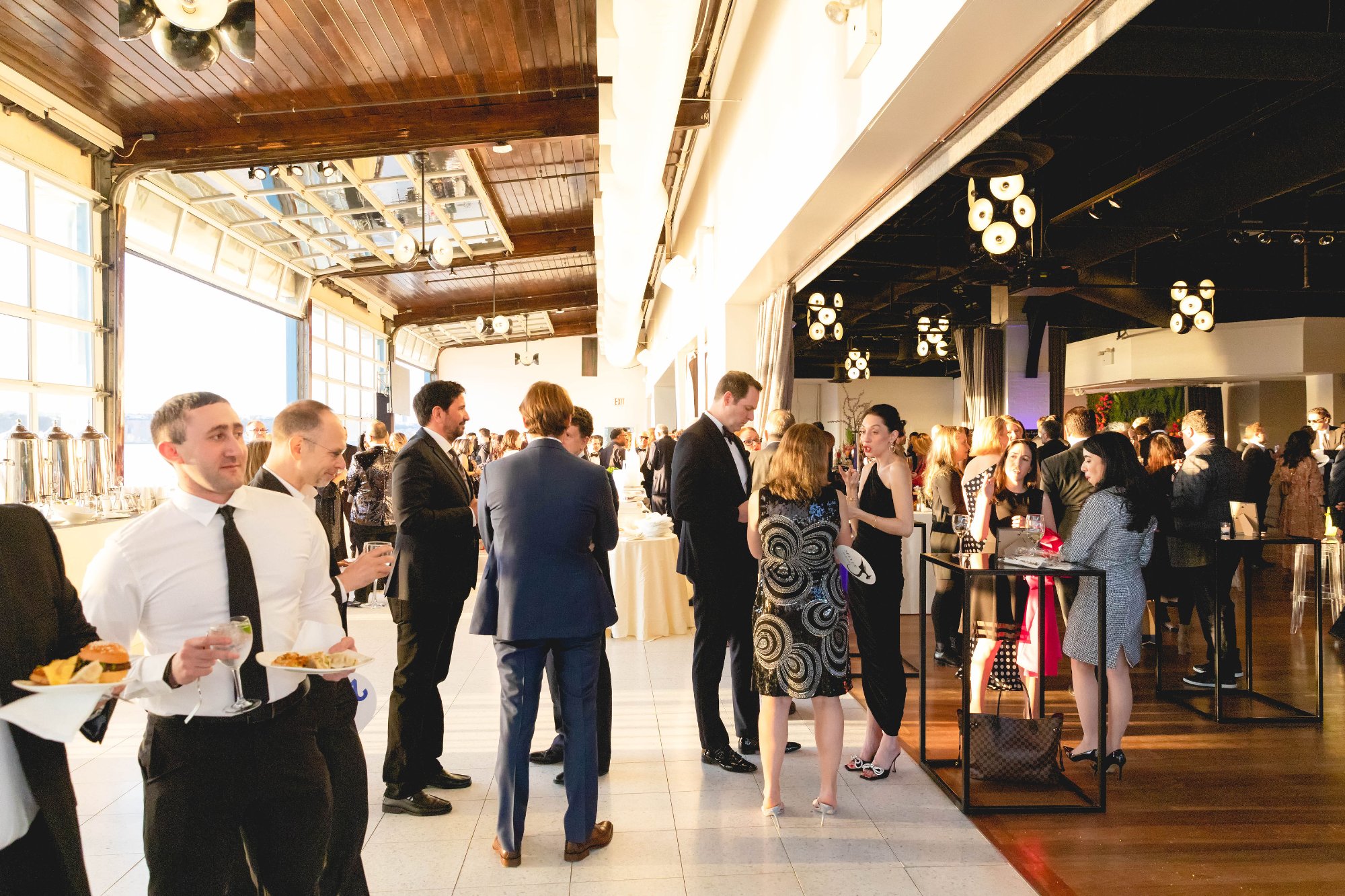
Scale matters. These images tell the story of an evening that was well attended and fully alive.
By the time cocktail hour ends and the program begins, I've already made several hundred frames. Not all of them will be in the final gallery, but the act of making them has calibrated my eye to this specific room, this specific light, these specific people. The next three hours are easier because of the first one.
That's what large-scale gala coverage requires. Not just presence, preparation, patience, and the willingness to stay in motion from the first quiet moment to the last.
Gala & Fundraiser Photography →
Photography: Raoul Brown