The most important images from any event are never the ones you planned. They're the ones that happen in the gap between speeches, when someone's composure breaks for exactly three seconds.
Reading a room is a form of empathy. I'm not just watching people. I'm tracking the emotional weather of the space. Where is the energy building? Who is about to laugh? Whose eyes are getting brighter? What has just passed between two people that the room doesn't know yet?
This skill isn't taught. It's cultivated through hours of quiet attention, of being in rooms you weren't invited into as a guest, of learning to read the current beneath the surface of any social gathering. It's the difference between being present and being perceptive.
"Feel the room. Stay ready. Don't miss it when it arrives."
At Meet Me in New York, the emotional peak arrived mid-evening. The host, who had spent months planning this gathering, who had thought about every detail from the place cards to the wine pairings, suddenly, quietly, began to cry. Not from sadness. From the specific feeling of watching something you built become real.
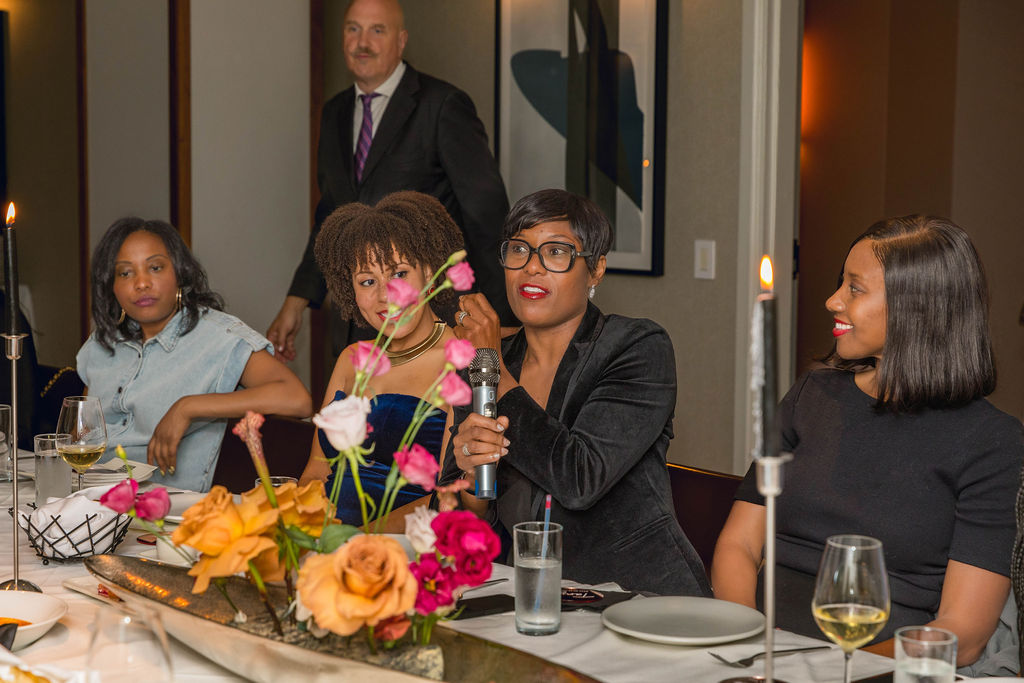
The moment before the moment. Already, you could feel the room shifting.
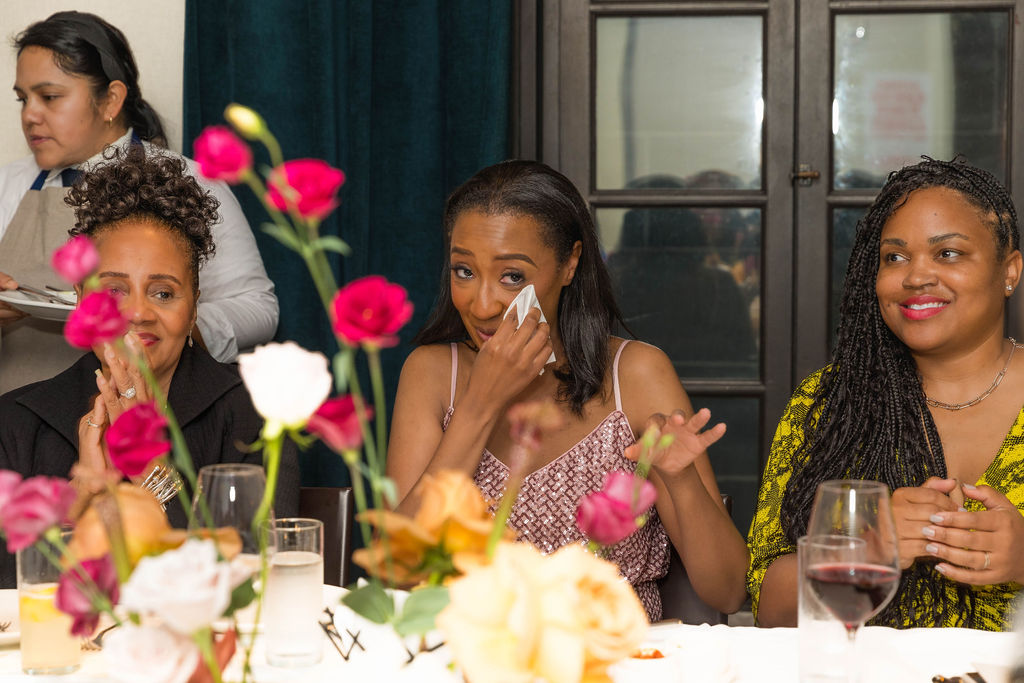
Her guests saw it too. Some began to cry with her. Others smiled the kind of smile that knows not to interrupt a moment. A woman in yellow held her wine glass a little tighter. The whole room leaned in, imperceptibly, the way a room does when something true is happening.
I didn't direct any of this. I just stayed ready. I knew, from the energy of the preceding hour, that something was building. The laughter had been a little too warm, the toasts a little too heartfelt, for the evening not to arrive somewhere real.
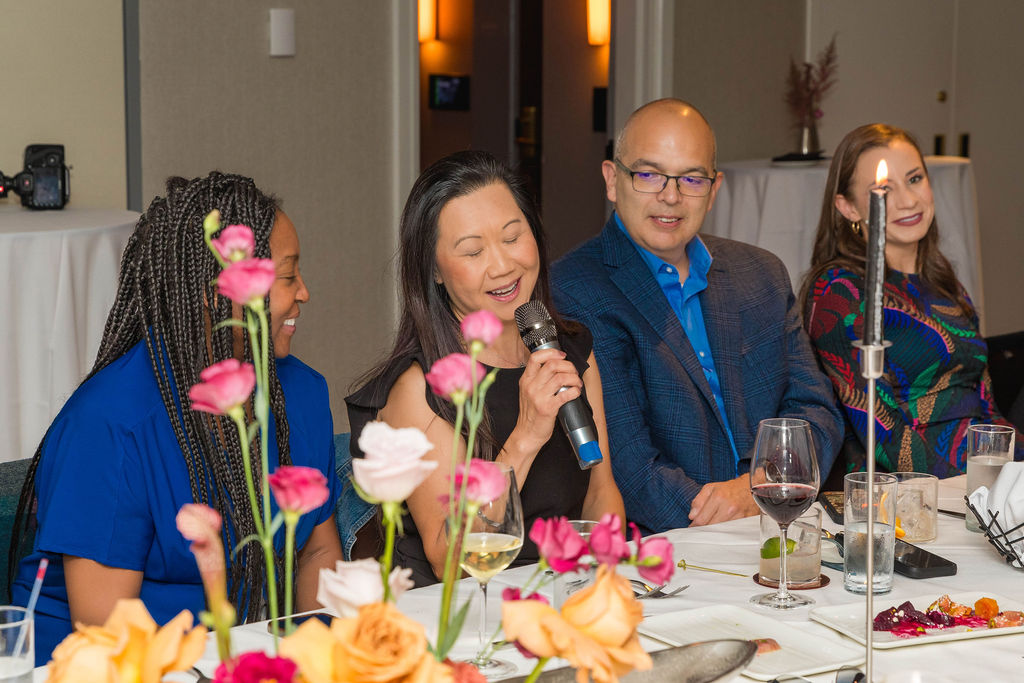
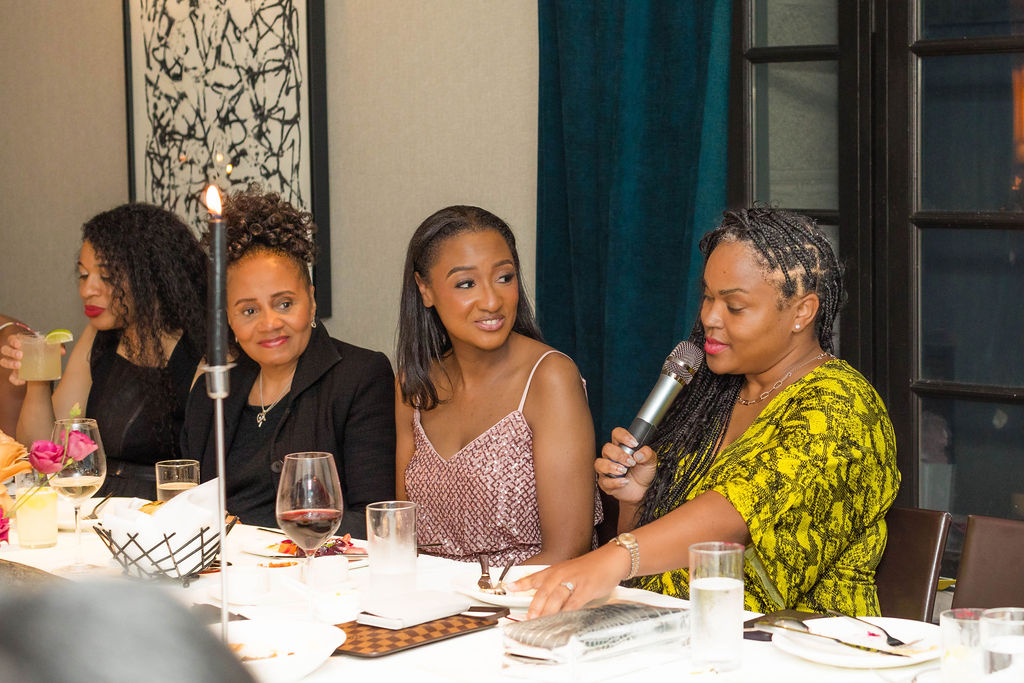
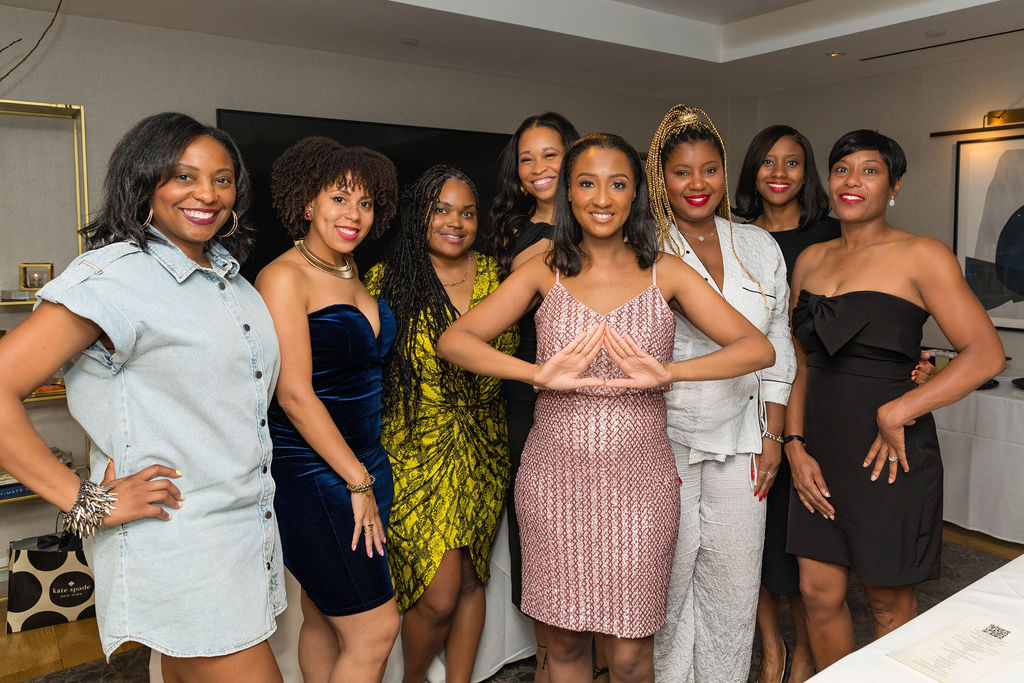
After the moment passed, a different kind of togetherness settled into the room.
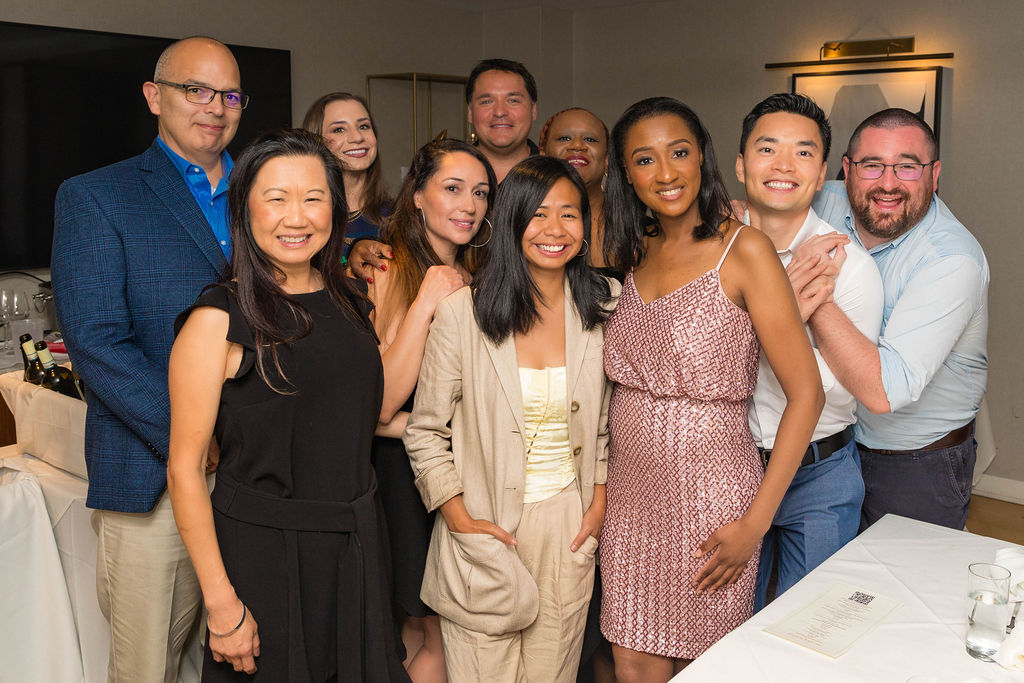
This is what I mean by reading the room: knowing that the big group photograph at the end of the night isn't a formality: it's a record of people who have been changed, however slightly, by what they shared. The warmth in that image isn't arranged. It accumulated.
A photographer who treats every moment equally will always miss the ones that matter most. I have to choose, constantly, quietly, without calling attention to the choice, where to point the camera. And to choose well, I have to feel what the room is feeling.
Photography: Raoul Brown